August 1, 2026
What is the best season in Indonesia?
The country is enjoyable to visit all year round, but if you had to pick one period, the best season in Indonesia is the dry season.
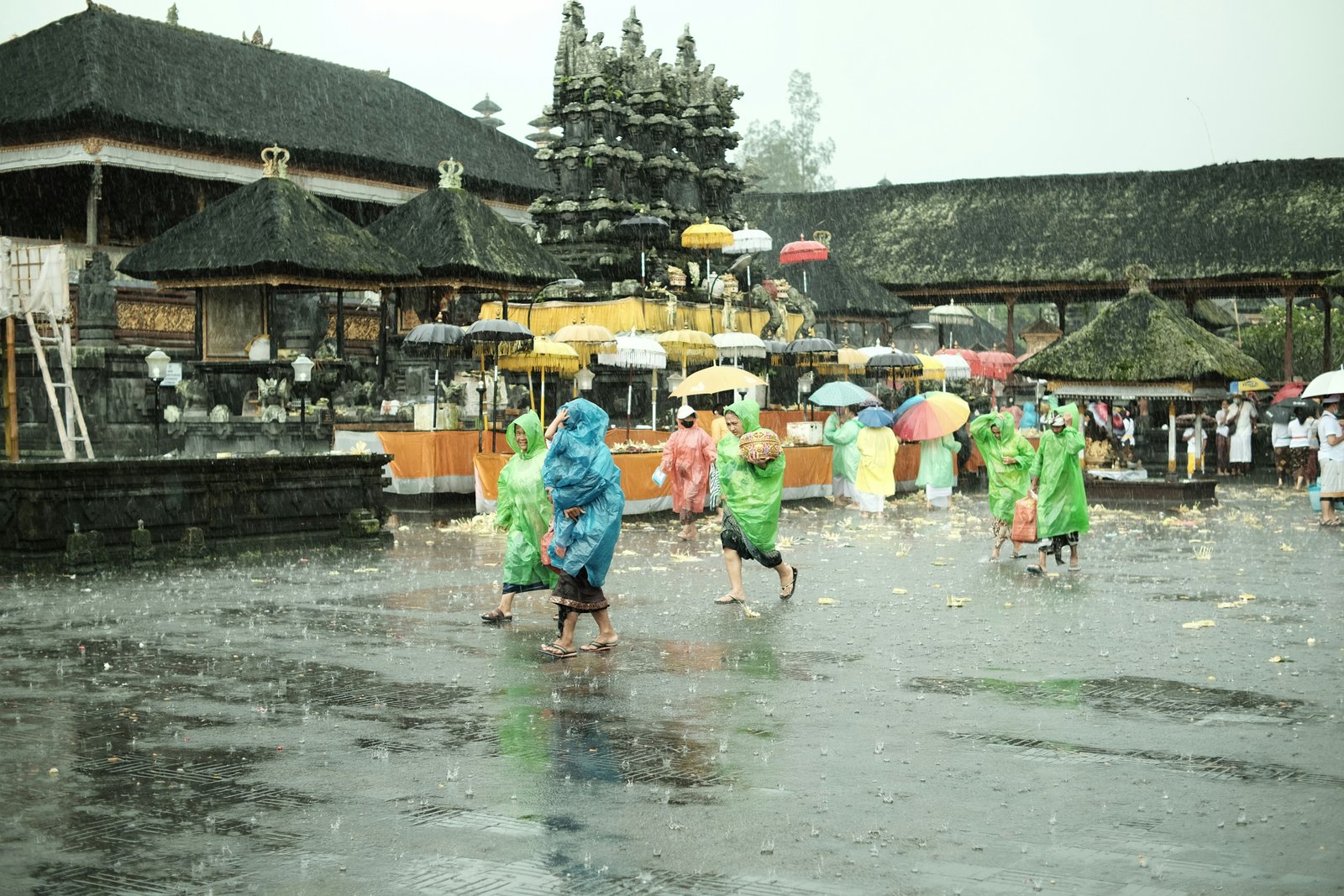
In theory, the best season in Indonesia runs from April to September, since rainfall is much less frequent than during the rest of the year and temperatures range between 25 and 35 degrees depending on the location. That said, this paradise corner of the world on the other side of the globe isn't immune to climate change, and it's hard to predict the weather with any certainty. The information in this article should therefore be taken as general guidelines rather than guarantees. If luck is on your side, the usual pattern will hold. If not, you'll need to make peace with the bad weather.
Indonesia's two main seasons
Unlike France, which has four seasons, Indonesia only has two: the dry season, from April to September, and the rainy season, from October to March. As the names suggest, the dry season sees the least rainfall while the rainy season sees the most. Temperature-wise, the thermometer stays fairly stable from January to December. In Jakarta, the capital, mornings average 27 to 29 degrees and afternoons 32 to 35 degrees. It's cooler in the mountains. In Bandung, a city in West Java where I own a house, it's rare for temperatures to top thirty degrees. Also keep in mind that the sun follows roughly the same schedule all year round. Unlike the French, who find themselves in the dark by 5 PM in February but enjoy daylight until 10:30 PM in June, Indonesians don't experience that same range of light. Over there, the sun rises around 5 AM and sets around 6:30 PM all year long.
What to expect during the rainy season in Indonesia
Dreaded by tourists hoping to work on their tan and fully soak up the tropical atmosphere of Southeast Asia, the rainy season in Indonesia isn't actually so bad. Downpours usually last only three or four hours, in the morning or afternoon, and it's entirely possible to head out and explore for the rest of the day. So even if the forecast calls for rain all week, your holiday won't be ruined. What's more, the rain isn't much of a bother given how hot it stays. Lastly, the impressive downpours are something worth experiencing at least once in your life, a real feature of this part of the world. That said, these extreme weather conditions can sometimes cause serious flooding, so stay alert and rely on local knowledge to stay safe.
What the dry season in Indonesia is like
It's clear that the dry season in Indonesia, from April to September, is the best time to visit Bali or explore Java. Showers are rare but not entirely absent from the picture. With the current shifts in climate, it can rain five or six days in a row even in July or August. Don't be too disappointed if this happens during your stay. Indonesians say the contrast between the two seasons was much sharper in the last century, but that the distinction has faded considerably today. Always favor the dry season, since it maximizes your chances of good weather. Just keep in mind that this choice isn't a guarantee against clouds — only a fragile promise of a postcard-perfect backdrop from start to finish of your trip.
A reversed pattern in the eastern part of the archipelago
We just explained that the dry season runs from April to September and the rainy season from October to March. That's true for Jakarta, Medan, or Denpasar. If you're planning a trip to Raja Ampat for diving or to Flores to meet the local indigenous tribes, the dates flip. The best season to travel to Indonesia when heading east is therefore from October to March, and more specifically from December to February. Indonesia is such a vast territory that it holds an eclectic mix of cultures, religious contexts, landscapes, and climates — an incredible diversity that makes up its immense richness.
Got more questions about Indonesia?
Contact me now