August 13, 2026
Why Go to Sulawesi – The Island of Caves
Interested in ancient archaeological sites? Going to Sulawesi to visit Rammang-Rammang and the Leang-Leang cave is a must.
Sulawesi is home to the second-largest karst landscape on the planet, holds the oldest known prehistoric cave paintings in the universe, and boasts megalithic statues unlike anything else on Earth — which is exactly why going to Sulawesi is such a treat for history lovers. Diving enthusiasts won't be left out either, thanks to the islands of Bunaken and Wakatobi, home to an exceptional diversity of marine life and extraordinary coral reefs. The Toraja people and their astonishing funeral rites round out this rich heritage, unmatched anywhere else in Indonesia.
Exploring Rammang-Rammang
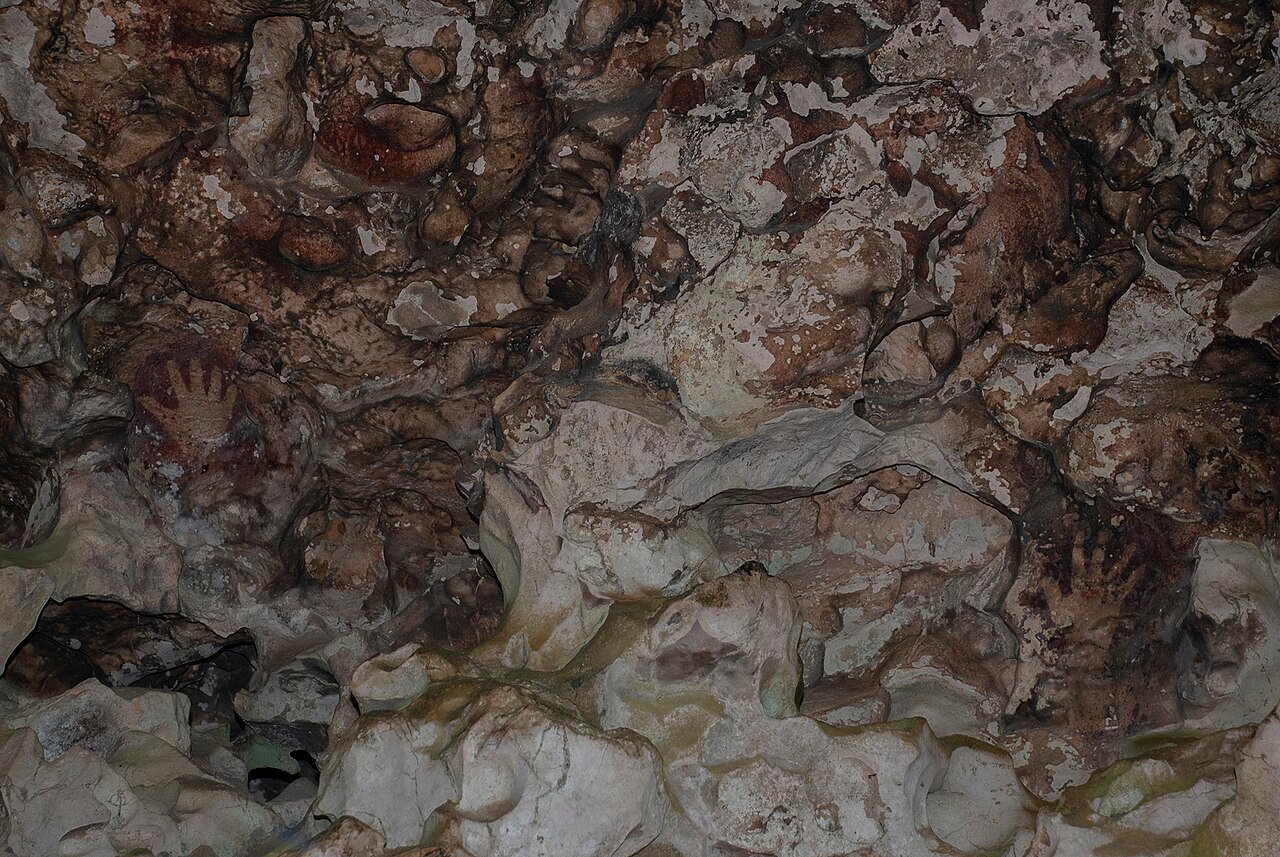
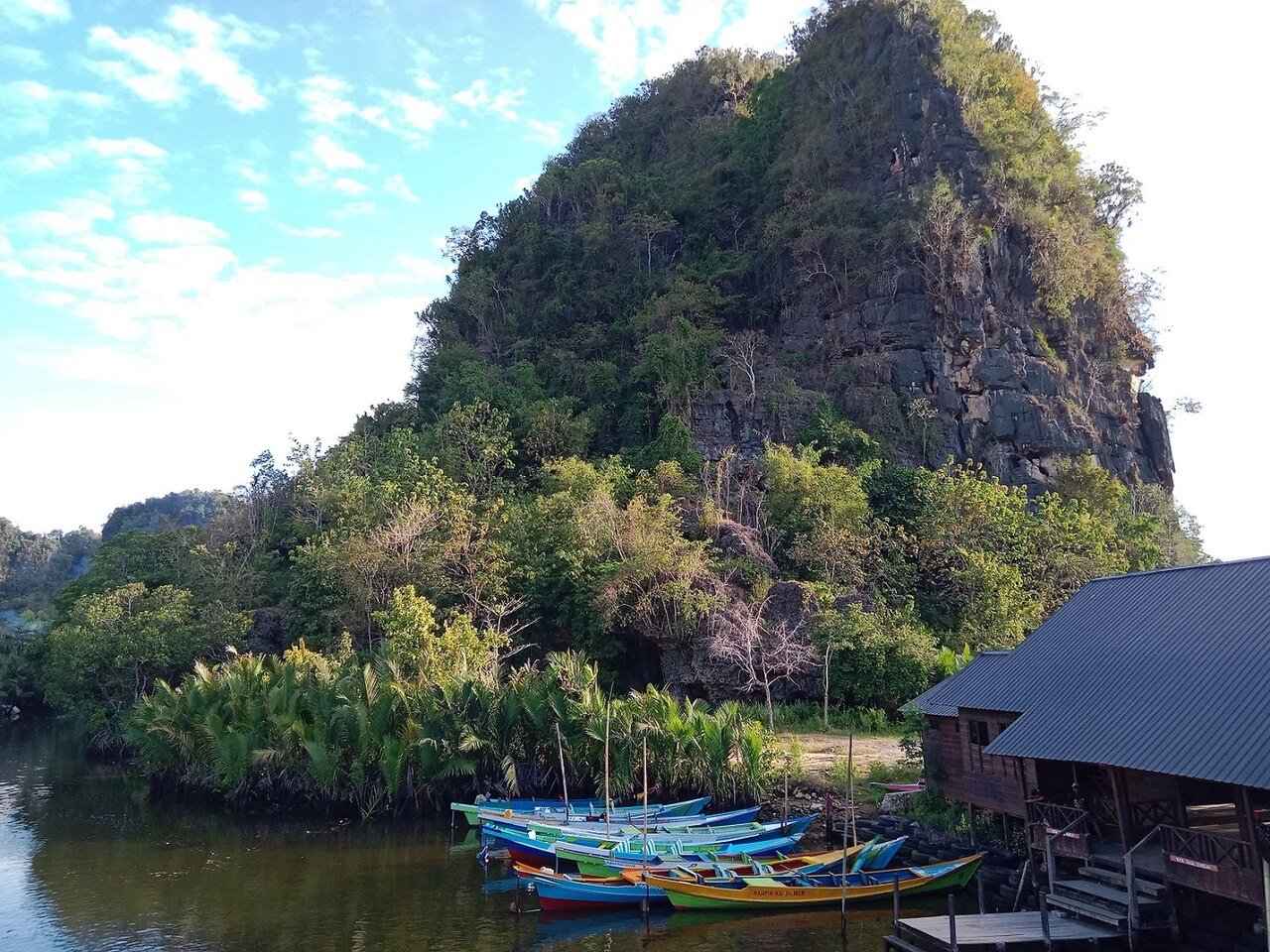
Rammang-Rammang is a majestic natural site where towering limestone peaks rise above a river winding through the rice paddies. Only the Stone Forest in China's Yunnan province covers more ground than this magnificent site in southern Sulawesi. Trust us, a canoe ride through this picturesque scenery will leave you with a genuine sense of scale. Less than twenty minutes down the road, the wonder doesn't stop there. The Leang-Leang caves, open to the public, hold rock paintings more than fifty thousand years old in some spots. Come see for yourself this moving testimony drawn into the rock by our most distant ancestors.
A Walk Through Lore Lindu National Park
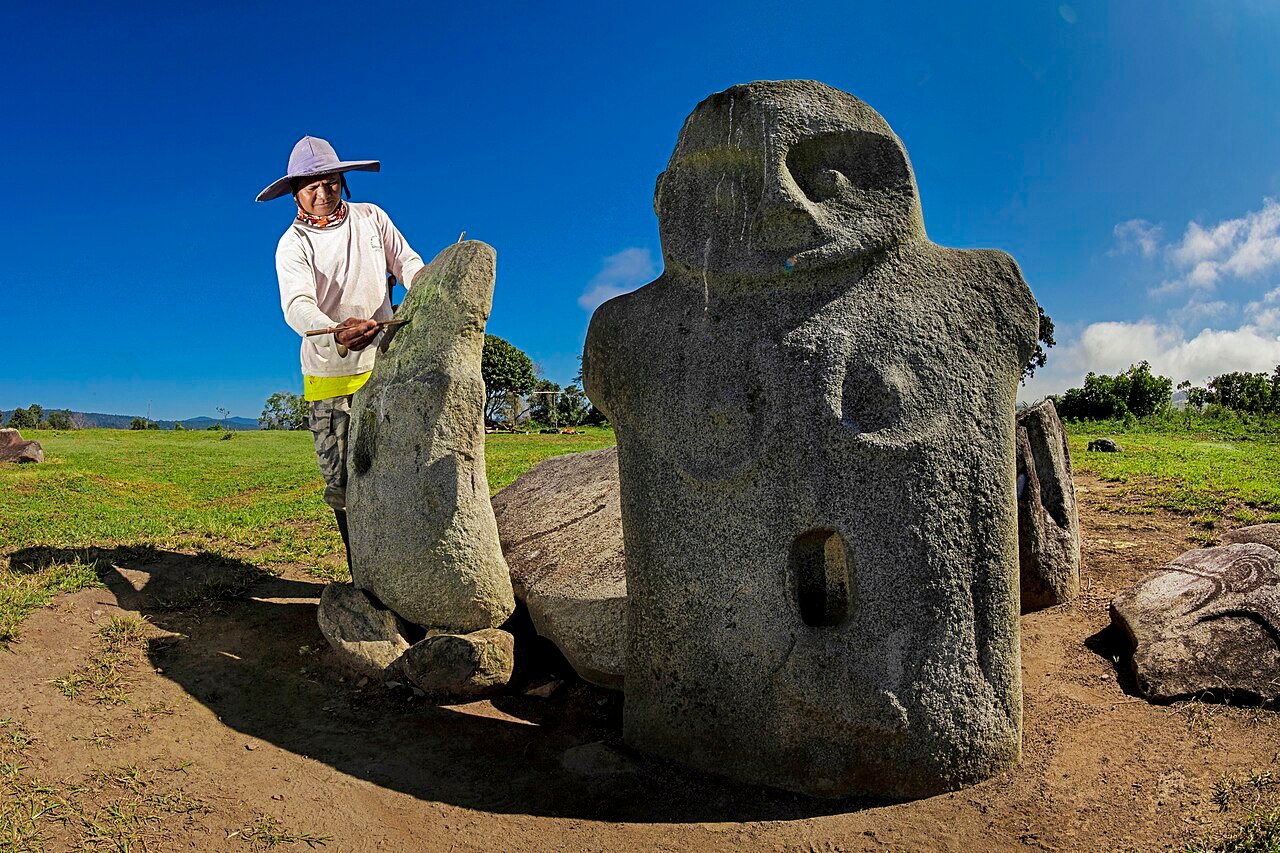
Beyond the karst formations of Rammang-Rammang, archaeologists and other scientists visiting Sulawesi for research are especially fond of the Lore Lindu region. Its main draw is the Bada Valley, with its mysterious stone statues shaped like human silhouettes that still have no official explanation or dating. This national park, recognized by UNESCO as a biosphere reserve, is also home to thriving wildlife, including the shy anoa, a small endemic wild buffalo, several species of monkey, and rare birds that draw birdwatchers from all over the world. A true open-air nature documentary.
Discovering the Funeral Rites of the Toraja Tribe
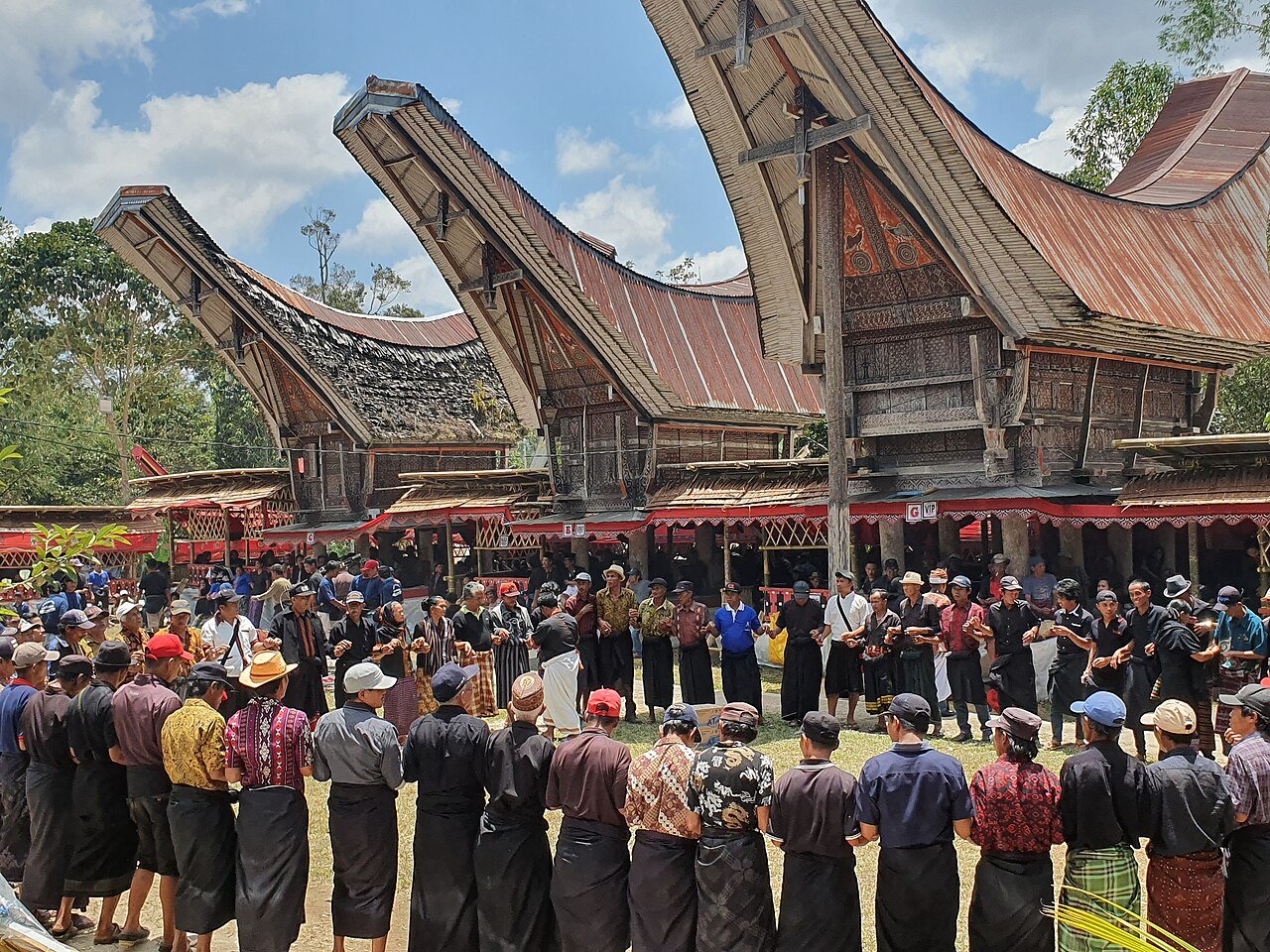
In the mountains of southern Sulawesi, around the town of Rantepao, it's anthropologists who have a field day thanks to the astonishing culture of the Toraja people. Half of this tribe's members were converted to Christianity in the last century under the influence of Dutch missionaries, but the traditions tied to their original religion remain very much alive, especially in how they treat the dead. For the Toraja, dying is no ordinary event. Spectacular ceremonies are held throughout the year to honor the deceased. The higher the social status of the person who died, the more lavish the ceremony. Here's how it works. On the big day, thousands of guests gather in the village. Buffalo are sacrificed in honor of the departed, then the carefully embalmed and mummified bodies are placed in special cavities carved into the mountainside. Wooden effigies carved in the likeness of the deceased, known as tau-tau, are set at the entrance of each burial site. You can see real ones in the Londa caves. We can also put you in touch with a local guide who will take you to witness ceremonies even more unusual than this one. Every so often, the Toraja dress the bodies, perfume them, and take them for a walk through the village so people can take photos with them. You'll need a strong stomach to handle this extraordinary, macabre experience.
Hiking Gunung Mahawu
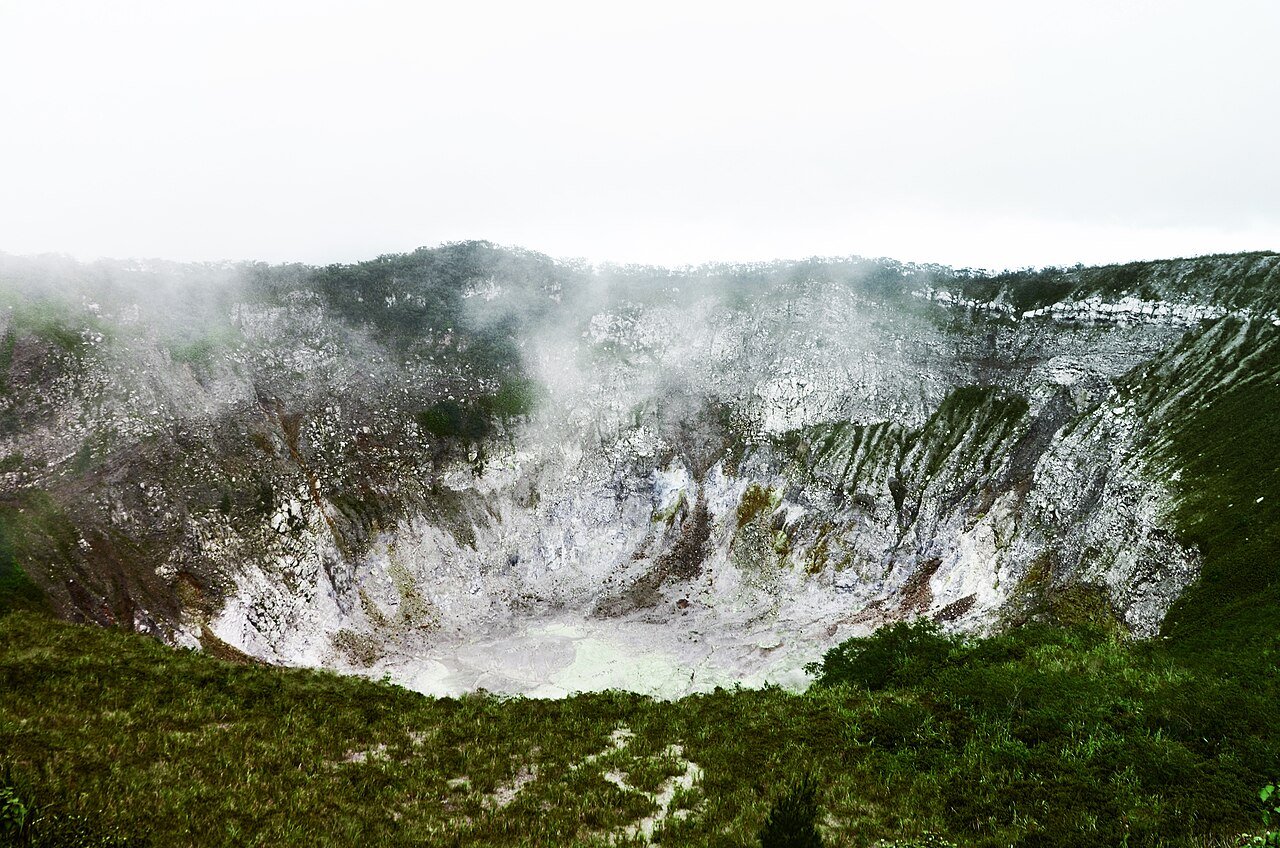
Sulawesi's most famous volcanoes lie at the island's northern tip, near Tomohon, one of the flagship towns of the Minahasa people's homeland. Gunung Mahawu is the easiest of them, requiring barely an hour of walking on a well-maintained trail up to its crater. Its neighbor, Gunung Lokon, is on the contrary a demanding peak reserved for experienced hikers. After conquering these two giants, spend the rest of your stay in the area cooling off by Lake Tondano and Lake Linow, or under the spray of the Tekaan Telu waterfall.
Diving and Snorkeling off Bunaken Island
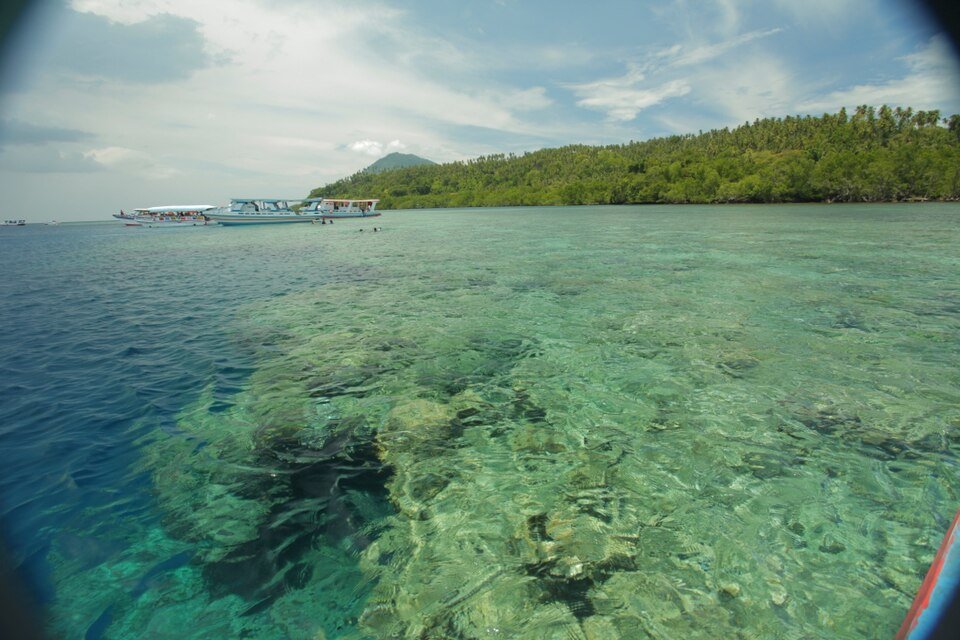
Even though Sulawesi stands out above all for the archaeological, geological, and anthropological wonders covered earlier in this article, its coastline has nothing to envy in Indonesia's other islands and even ranks among the archipelago's most beautiful. Bunaken Marine Park is the one that steals the show. Tucked inside the Coral Triangle, it lets divers descend along stunning coral walls and spot blacktip reef sharks and turtles, or even the occasional dolphin. On the opposite side of the island, to the southeast, Wakatobi is a more exclusive, upmarket spot still spared from mass tourism. It offers visitors clear water and uncrowded reefs where you'll find far more peace and quiet than at Bunaken, though it takes considerably more effort to reach. Let's not forget to mention the Togian Islands too, which are also well worth getting to know.
The Downsides of Sulawesi
A highly mountainous and hilly island, Sulawesi isn't really suited to travelers with limited time who still want to cover as many places as possible during their trip. Distances between regions are huge and the roads are rough. The wisest approach is to focus on one specific area and come back the following year to explore the rest. On top of that, much like the nearby island of Borneo or even Sumatra, Celebes — as it's sometimes called — isn't especially popular with Western travelers. Hygiene and comfort standards at the various hotels and restaurants aren't always up to par.
I'll help you build the perfect Sulawesi itinerary and connect you with the island's best guides for €20 only.
Contact me now