August 17, 2026
Why Go to Java – The Island of Volcanoes
If you feel like climbing volcanoes for the first time, you should go to Java, since the island's peaks are easy to approach.
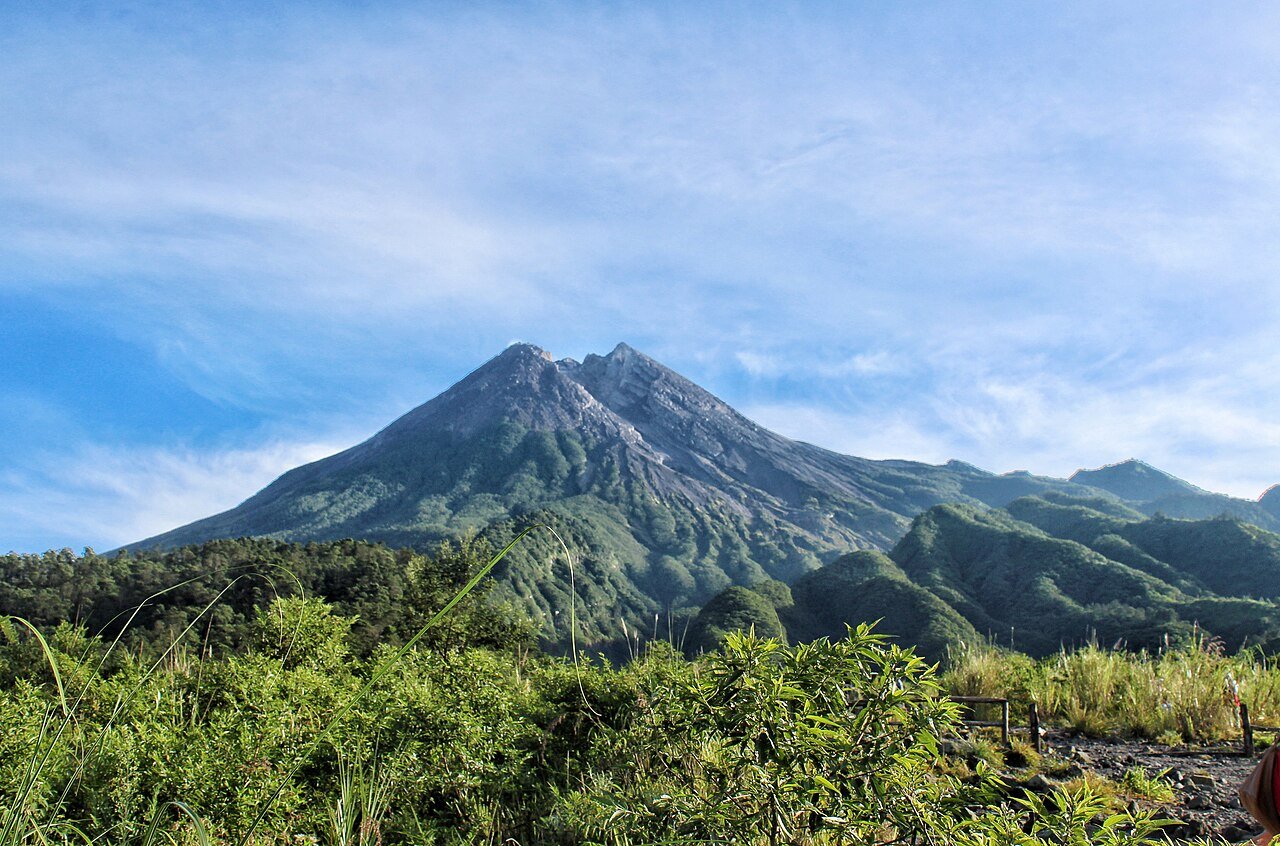
To go to Java is the simplest option for a trip to Indonesia, thanks to the many international flights serving Jakarta's airport, the capital. The island is also one of the most modern in the archipelago, boasting the country's best railway network. Settled comfortably into an impeccably comfortable train, you can admire the tropical scenery while making your way to the foot of majestic volcanoes. Near Banyuwangi, in the east, Kawah Ijen and its blue flames await you. Not far away, near Malang, Bromo and its sea of sand, along with the Tumpak Sewu waterfalls, will leave you in awe. Heading south, the temples of Borobudur and Prambanan, near Yogyakarta, are also must-see sights. As for swimming, two options are open to you: the Indian Ocean at Pangandaran, with its rough waters loved by surfers, or the Java Sea at Karimun Jawa, with calmer waters rich in underwater biodiversity, perfect for diving or snorkeling.
Trekking to Kawah Ijen
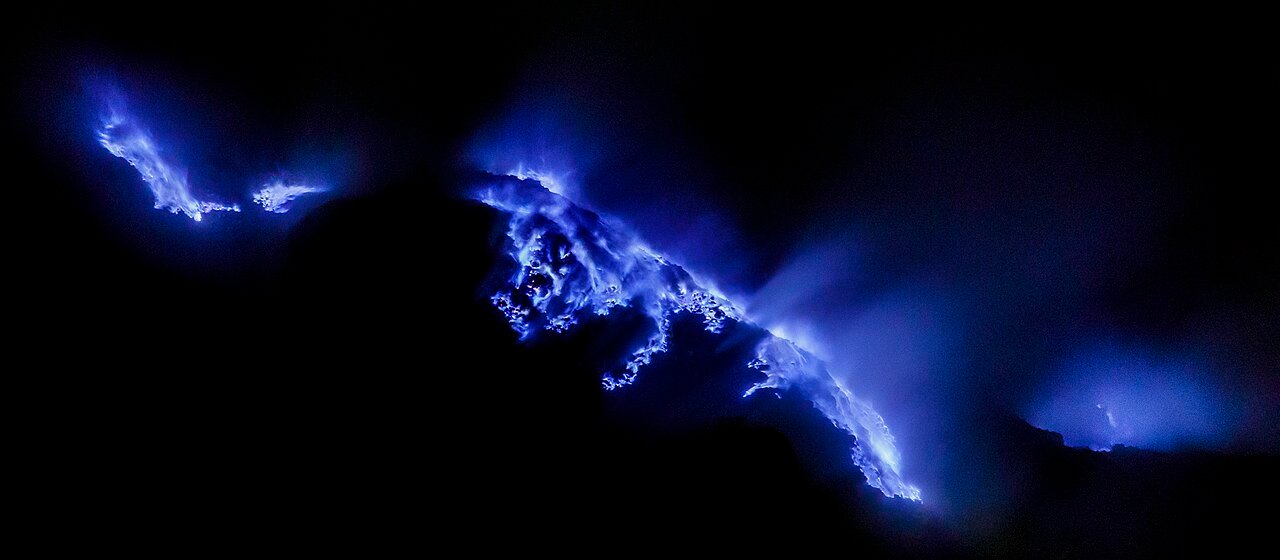
The ascent of Kawah Ijen is usually done at night, wearing a protective mask, in order to witness the famous blue flames phenomenon. This near-unique chemical reaction happens when sulfuric gases rising from the bottom of the crater come into contact with oxygen. In reality, these combustions are rare, and it's the guides themselves who trigger the process using their lighters. The sight remains spectacular nonetheless, and the sunrise that follows over the immense sulfur lake is absolutely stunning. In the dark, the path can be slippery, and the impressive number of tourists present can make walking difficult for less experienced hikers. If you'd rather have some peace and quiet and decide to tackle the volcano's slopes between ten a.m. and noon, you'll have this extraordinary setting all to yourself. Along the way, you'll cross paths with sulfur porters carrying loads of more than 70 kilos by hand along the winding trails.
Hiking Mount Bromo
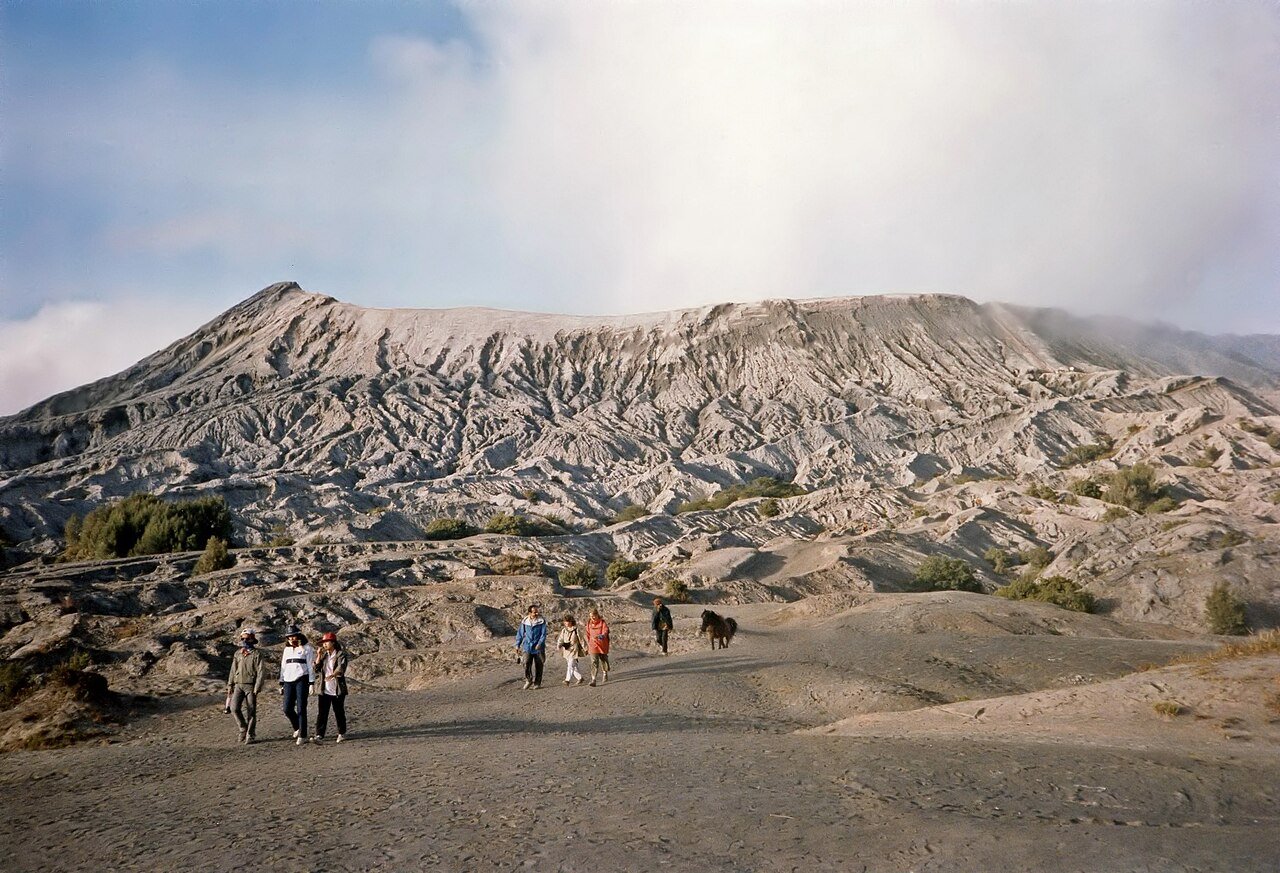
If you can't make it to the moon, you can go to Java and climb Mount Bromo instead. The floor of its caldera, nicknamed the sea of sand, is indeed a vast grayish expanse of ash and mineral debris that gives the feeling of being in outer space. It's easy to cross on foot — the walk takes less than an hour — but jeep and horse-cart drivers are also on hand to carry the laziest or most tired travelers to the stairs leading up to the summit. As with Kawah Ijen, a medical certificate from a local clinic is required beforehand, and dressing warmly is also recommended. Jackets are sold on site for adventurers who show up a little too optimistically in short sleeves.
A Walk to Tumpak Sewu
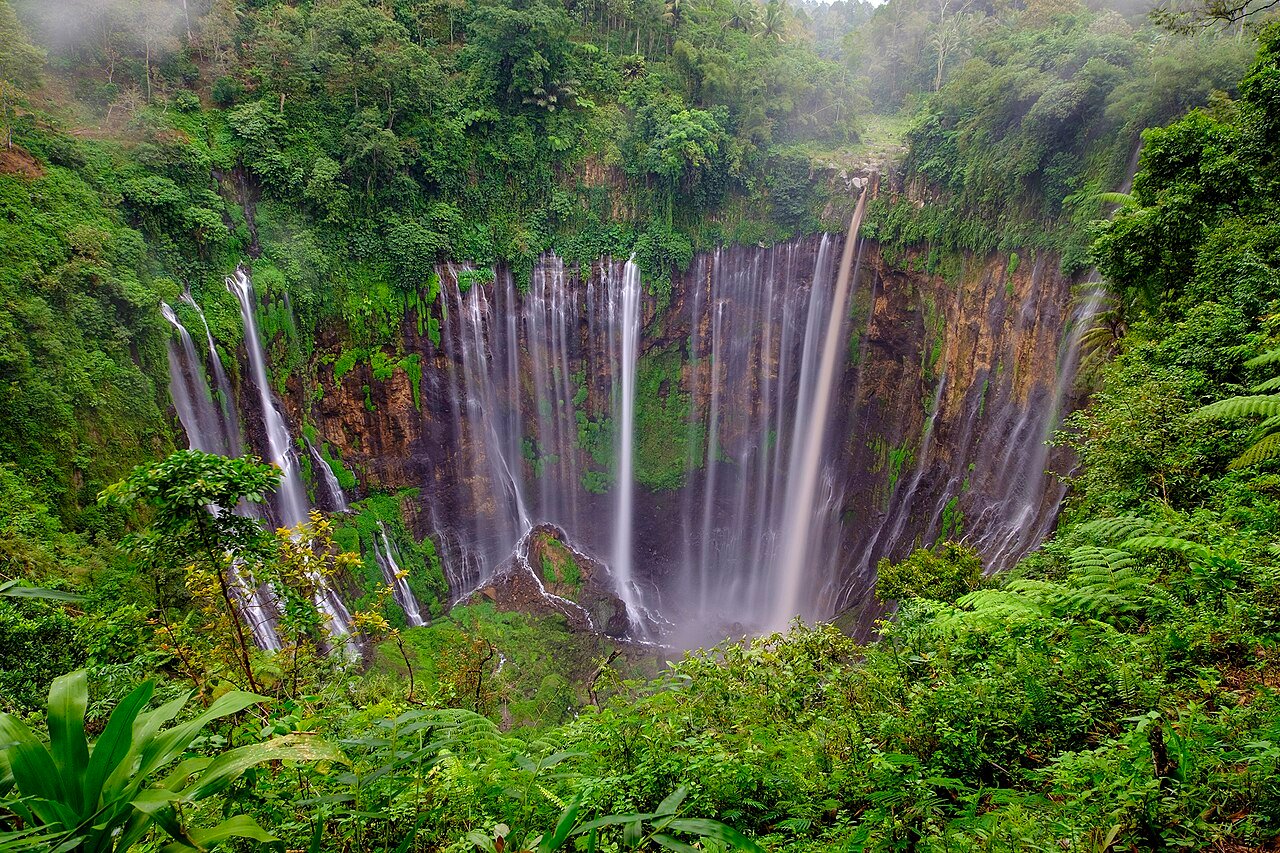
In the same region as Mount Bromo and the city of Malang, the classic activity is spending the day at the Tumpak Sewu waterfall. This magnificent 120-meter-high attraction flows down in a multitude of streams along a steep rock face that the most athletic visitors can descend using steep trails, ladders and ropes leading to a large pool where swimming is allowed. The Goa Tetes cave is easier to explore and offers a route through the water to a natural pool where swimming is also permitted.
Visiting Borobudur Temple
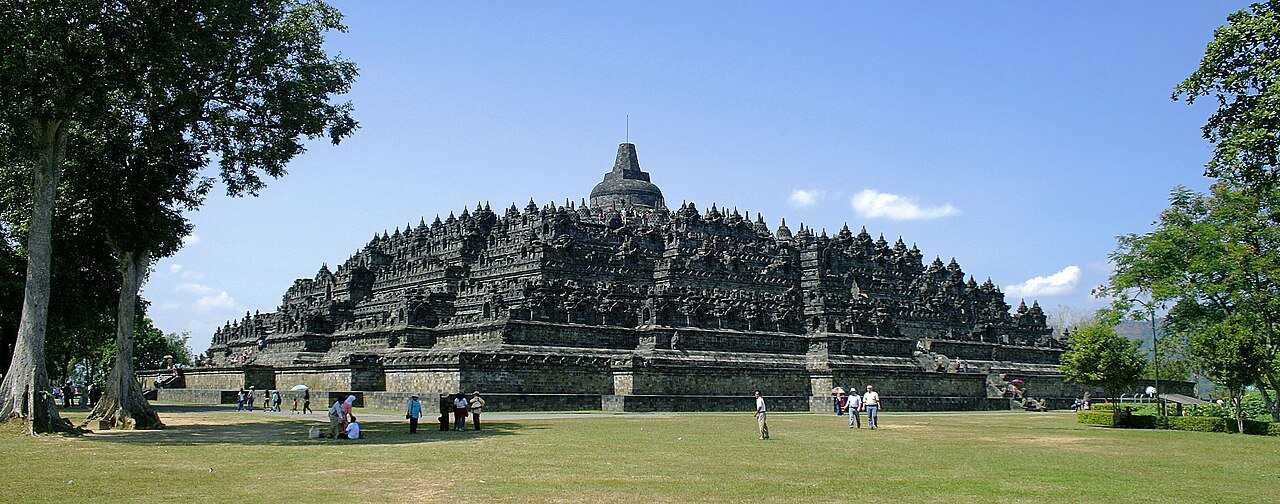
Before the arrival of Islam in Indonesia in the 13th century CE and its gradual spread, Buddhism and Hinduism were the dominant religions in the archipelago. Borobudur Temple was built in the 9th century and gradually disappeared under vegetation during the 14th and 15th centuries, as Muslim sultans slowly took control of the country. It was rediscovered in 1814, then restored, and is now a recognized UNESCO World Heritage Site. It's built in the shape of a pyramid and has nine stacked platforms housing statues of Buddha and countless carvings etched into the stone. A group tour guide is mandatory for everyone, as is wearing sandals, which are provided at the entrance. Tickets can be bought on site or online, but it's safer to book in advance to be sure of getting a spot. Booking opens about two months before your visit.
Exploring Yogyakarta
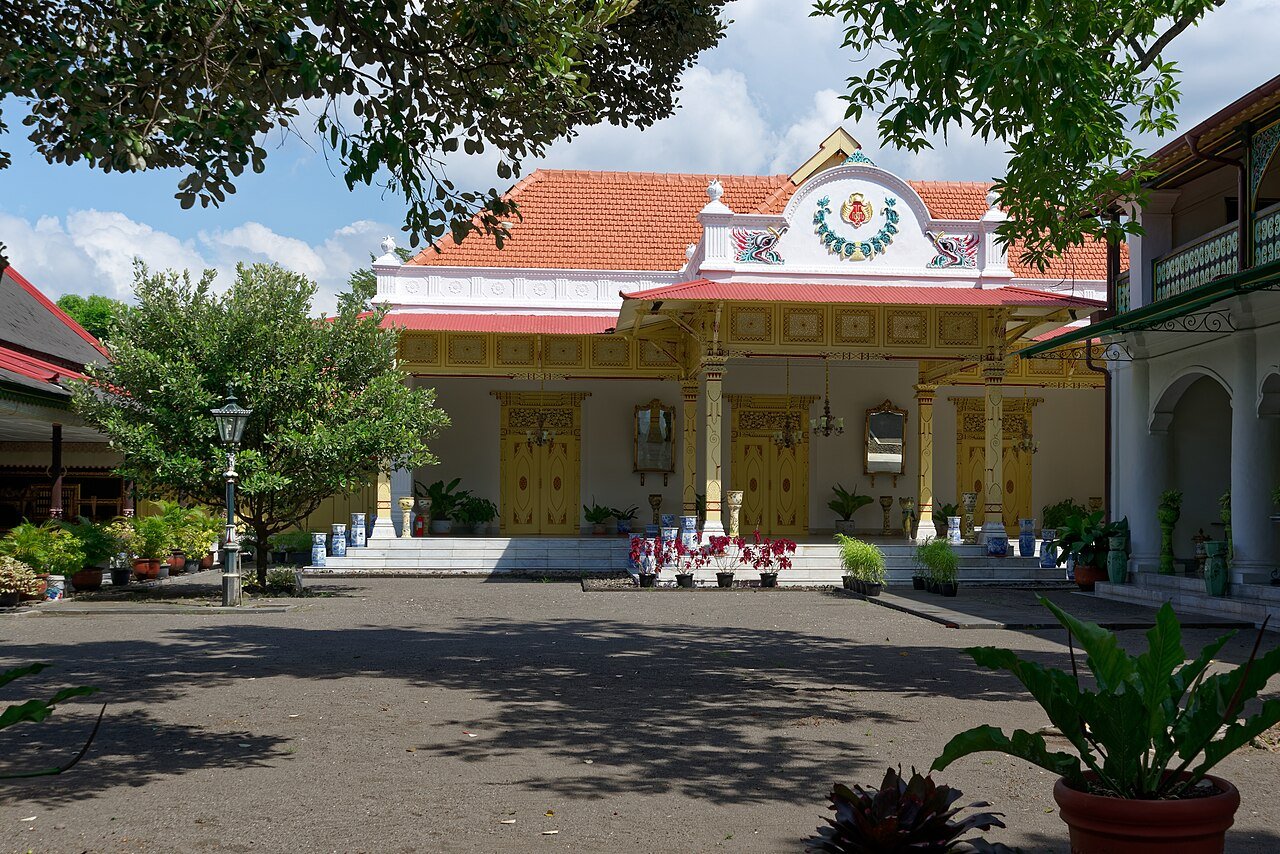
Along with Bandung, a mountain city where we live, known for its tea plantations, Yogyakarta is one of the most interesting large cities in Java. It is the heart of Javanese culture. Shops and workshops selling traditional batik clothing are everywhere, especially along the famous shopping street of Malioboro. This province is the only one in Indonesia still ruled by a sultan. This ruler reigns from a sumptuous palace, part of which is open to visitors, where dance, music, shadow puppet and wayang puppet shows are performed every morning. With the added benefit of being just a few kilometers by car from the temples of Borobudur and Prambanan, Yogya is clearly the place to stay if you want to fully immerse yourself in the ancestral spirit of Java.
The Downsides of Java
If you've ever been stuck in traffic in your own city on the way home from work during rush hour, know that what you experienced wasn't a real traffic jam. Genuine gridlock only happens in Java's cities. This fascinating island is the most densely populated on the planet, with 1,200 people per square kilometer. It's a destination to avoid if you're impatient, since a ten-kilometer drive can sometimes take more than an hour. The second drawback, if there's one to mention, is perhaps the lack of paradise-like beaches and underwater scenery compared to the rest of Indonesia. Aside from Karimun Jawa, Madura or Bawean, there are few places to dive among whale sharks and manta rays as you can in Bali, Sulawesi or Lombok. Nor are there any famous traditional tribes to meet, unlike in Sumatra or Kalimantan.
I'll help you build the perfect Java itinerary and connect you with the island's best guides for €20 only.
Contact me now