August 15, 2026
Why Go to Papua – The Divers’ Island
If you're into scuba diving, you've almost certainly heard of Raja Ampat, and deciding to go to Papua is a no-brainer.
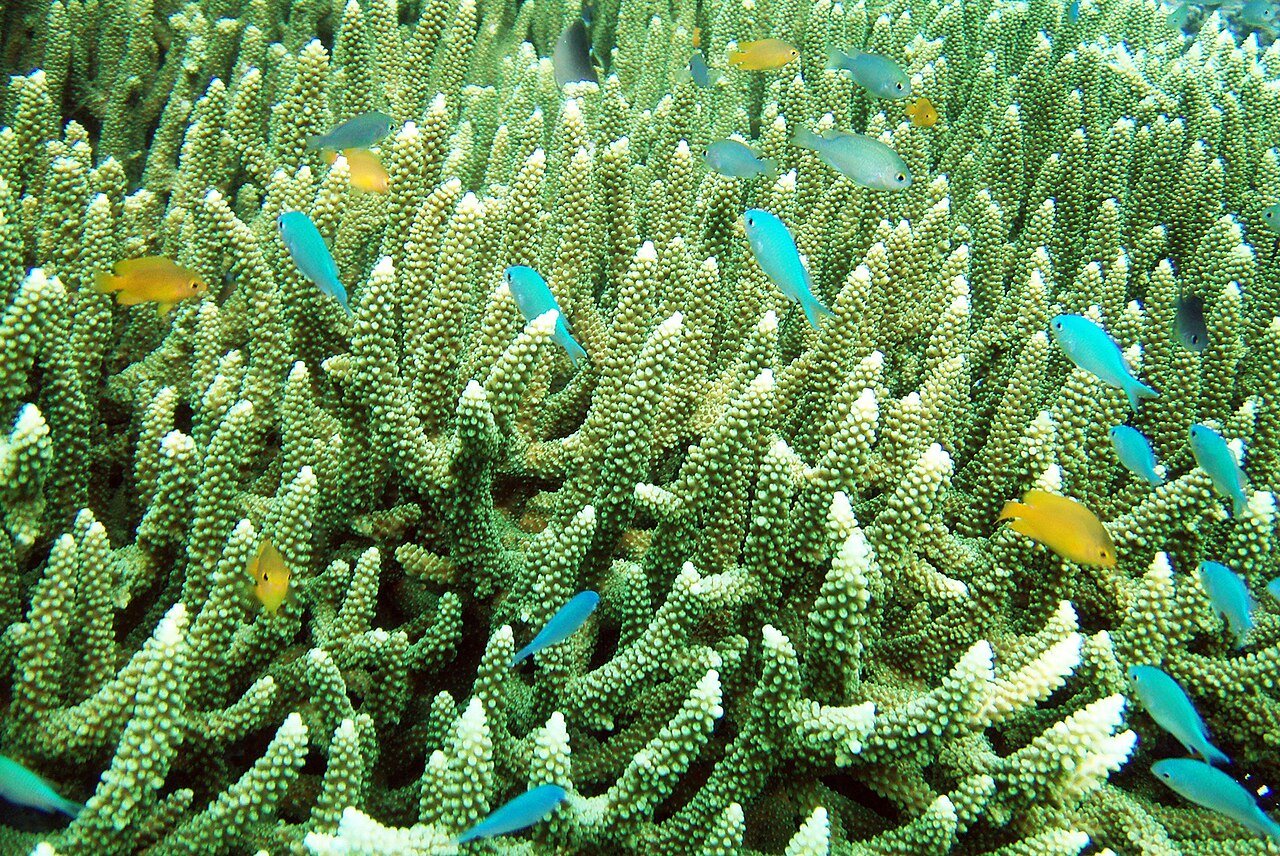
Any diving enthusiast has already dreamed of packing their bags to go to Papua and discover Raja Ampat, the region with the greatest marine biodiversity on Earth. These paradise islands sit at the heart of the Coral Triangle and treat visitors to extraordinary underwater scenery. More than 1,500 fish species and 550 different corals can be found there. Papua's riches don't stop there. Close to 150 whale sharks live year-round in Cenderawasih Bay and are easy to approach, while down south, in Wasur National Park, small kangaroos are on display for curious visitors. Not far from there, after several hours by boat through the tropical jungle, the members of the Korowai tribe are happy to share their ancestral way of life with the most adventurous travelers. An off-the-beaten-track journey straight out of a dream.
Enchanting Swims at Raja Ampat
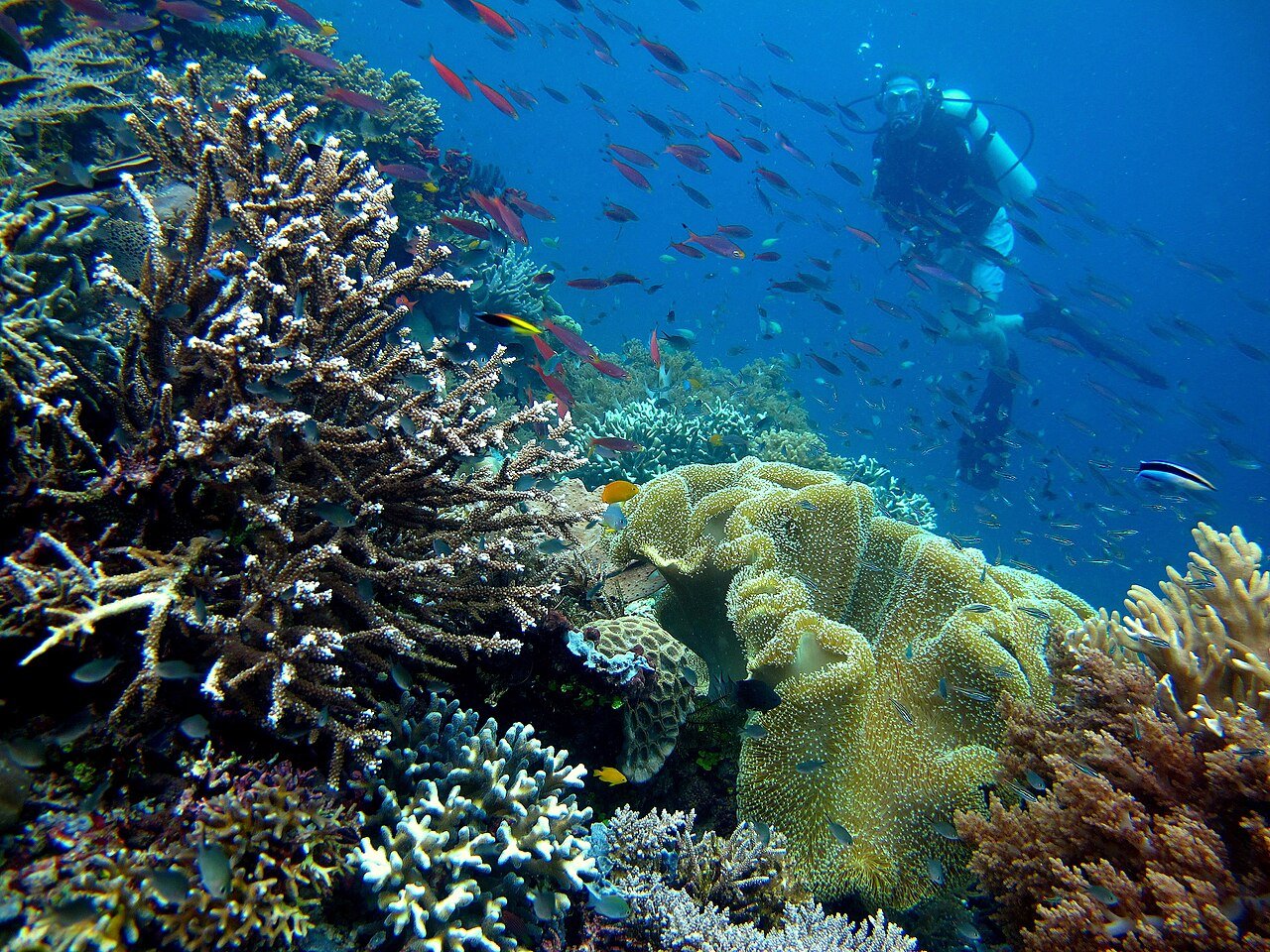
In the local language, the name Raja Ampat means the four kings, in honor of the region's ancient rulers. Today, the kingdom itself no longer exists, but its splendor is still very much alive. You reach this small archipelago by boat from the city of Sorong, on the western coast of Papua, before disembarking at Waisai harbor on Waigeo Island. On arrival, every visitor pays an entry fee and receives a personal card to keep on hand at all times in case of inspection. Depending on the accommodation you choose, your hosts will usually take care of organizing the various boat trips. We have excellent spots to recommend, so don't hesitate to reach out to us. Depending on your preferences, your guides will take you diving at Piaynemo or Misool in search of the most beautiful underwater specimens in stunning lagoons. Corals of every color, fish of every shape, manta rays — you're in for quite a show.
Swimming with Whale Sharks in Cenderawasih Bay
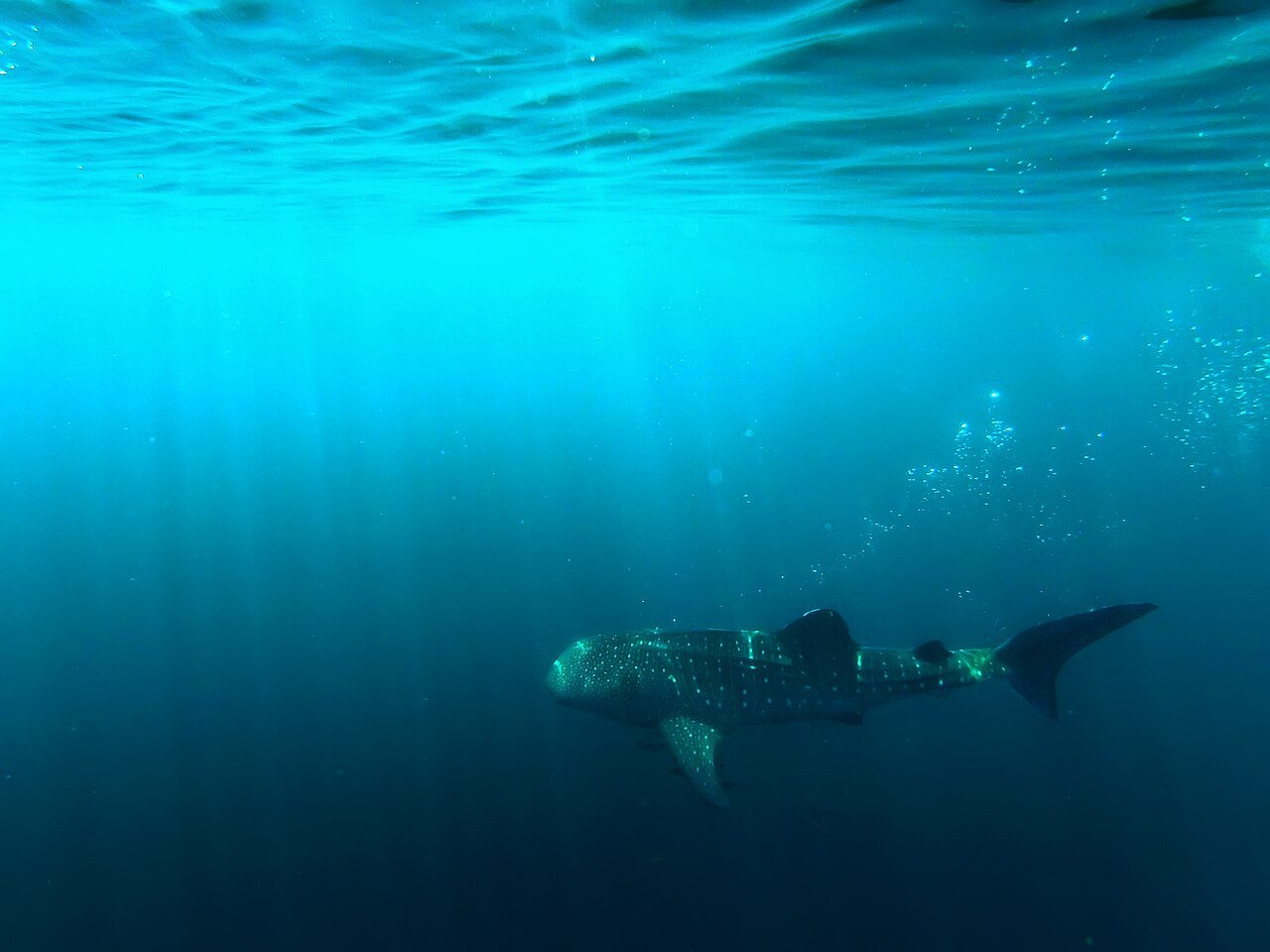
In theory, whale sharks can be spotted in other Indonesian provinces, but the village of Kwatisore, in Cenderawasih Bay, is one of the only places in the country where you're almost guaranteed to see them, no matter the time of year. This comes down to the traditional fishing platforms scattered across the area, which catch fish in their nets that the sharks love to feast on. Papuan fishermen are more than happy to leave them a share of their catch, so the sharks linger in the area every day, to the great delight of visitors. These animals are harmless and can be approached very easily while swimming, provided you follow certain rules set out by the operators running this kind of activity.
Kangaroo Watching in Wasur National Park
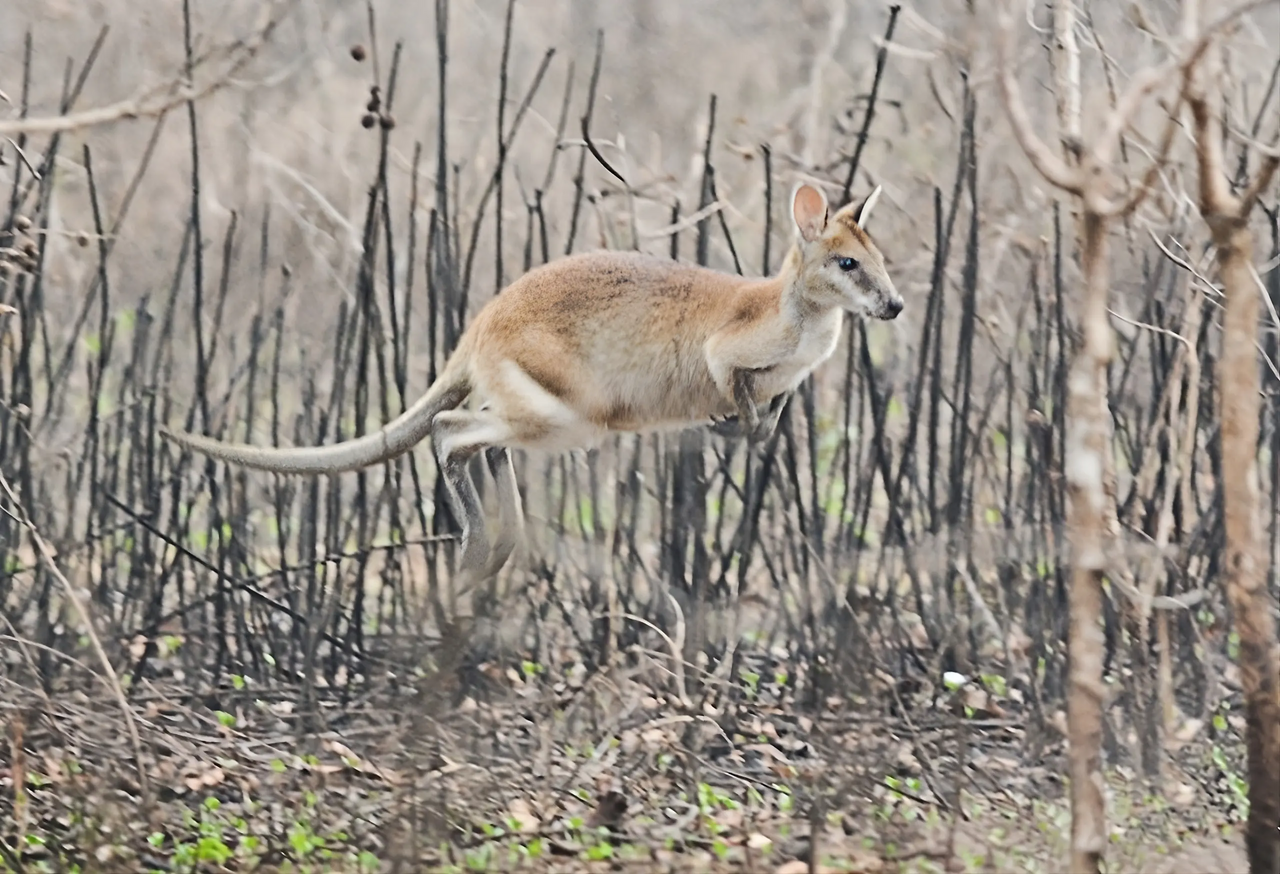
Since Papua sits at the far eastern edge of the Indonesian archipelago, it's actually physically closer to Australia than to Jakarta. Take the city of Merauke, in the south, the gateway to Wasur National Park, for example: it lies just 1,100 kilometers from Darwin but more than 3,700 kilometers from Indonesia's capital. This closeness to Australia shows directly in the landscape. At Wasur, the terrain is made up of savannas and wetlands whose look is remarkably close to Oceania's own flora. Kangaroos and wallabies are also part of the picture — a surprising fact for a tropical country better known for its orangutans and monitor lizards.
Meeting the Korowai Tribe
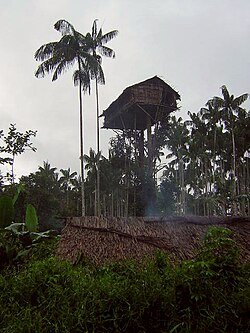
Their villages are reached after hours of travel by canoe through the jungle. They are one of the peoples most isolated from the rest of Indonesia. Until 1974 and the visit of a team of anthropologists, they themselves had never encountered other people. Since then, they have gradually opened up to the outside world and now regularly welcome groups to share their culture, including their distinctive tree-built homes. In the past, they were accused of practicing cannibalism, which isn't entirely untrue but is extremely limited to one very specific ceremony involving members of their own clans. In other words, you won't be in any danger.
The Downsides of Papua
Much like the nearby Moluccas, and as already mentioned above, Papua is a remote land that requires hours of flying. Once you've landed, the journey still isn't over, since long sea crossings are needed to reach the islands. Another thing worth knowing is that this region has seen a great deal of armed conflict over the past century. Papuans have been fighting for their independence since 1961. The situation still hasn't been resolved, and the interior of Papua remains a dangerous area that's strongly discouraged to visit, in order to avoid trouble with certain violent extremist militants. This word of caution doesn't apply to the places described in this article, which are all tourist-friendly and perfectly safe.
I'll help you build the perfect Papua itinerary and connect you with the island's best guides for €20 only.
Contact me now