November 18, 2026
Bali or Java: Which Island Should You Choose
Bali or Java: the two islands almost touch, separated by only a few kilometers of sea, and yet they will not give you the same trip at all. Here is what should settle it.
When you start planning a first trip to Indonesia, the first question that comes up is almost always the same: Bali or Java? Agencies and social media instinctively lean toward Bali, and Java gets demoted to a mere stopover between two flights. That's a shame, because these immediate neighbors offer experiences so different that the choice deserves real thought. One has lived off tourism for fifty years and shaped itself in its image, the other holds the historical, religious and economic heart of the country without ever having tried especially hard to charm visitors. Which island is the right one depends entirely on what you are coming to find.
Getting There and Getting Around
If you're weighing Bali or Java on purely practical grounds, Java starts with a clear advantage. Most international flights land in Jakarta, which makes the island the natural gateway to the archipelago, and it also has the best railway network in the country. The trains are comfortable, punctual and cheap, and they drop you at the foot of the volcanoes while serving up tropical scenery the whole way. Nothing of the sort exists in Bali, where there is simply no train: you'll get around by scooter, by taxi or with a private driver, regularly stuck in the traffic of the south. Bali does, however, have plenty of direct flights from Asia and Australia, which makes the logistics easier for a short stay.
Volcanoes, but Not in the Same Way
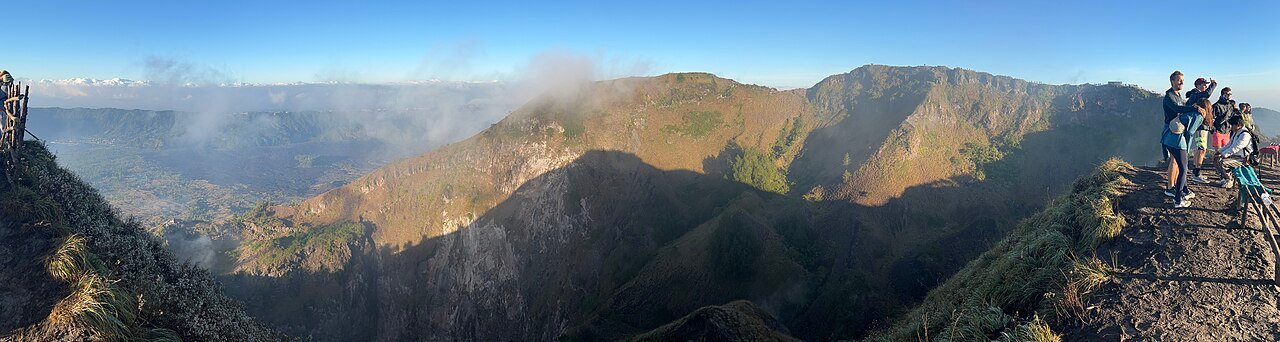
This is probably the criterion that most often settles the Bali or Java debate, since both islands have volcanoes and yet this is where the gap widens the most. In Bali, Mount Batur can be climbed in two hours with a guide, at night, to catch the sunrise over the black lava field of Kintamani, left behind by the 1963 eruption. Almost anyone can manage the ascent, and those who would rather not tire themselves out can even cross the field of debris by jeep. Mount Agung, the sacred volcano of the Balinese, is far more demanding and calls for genuine fitness.
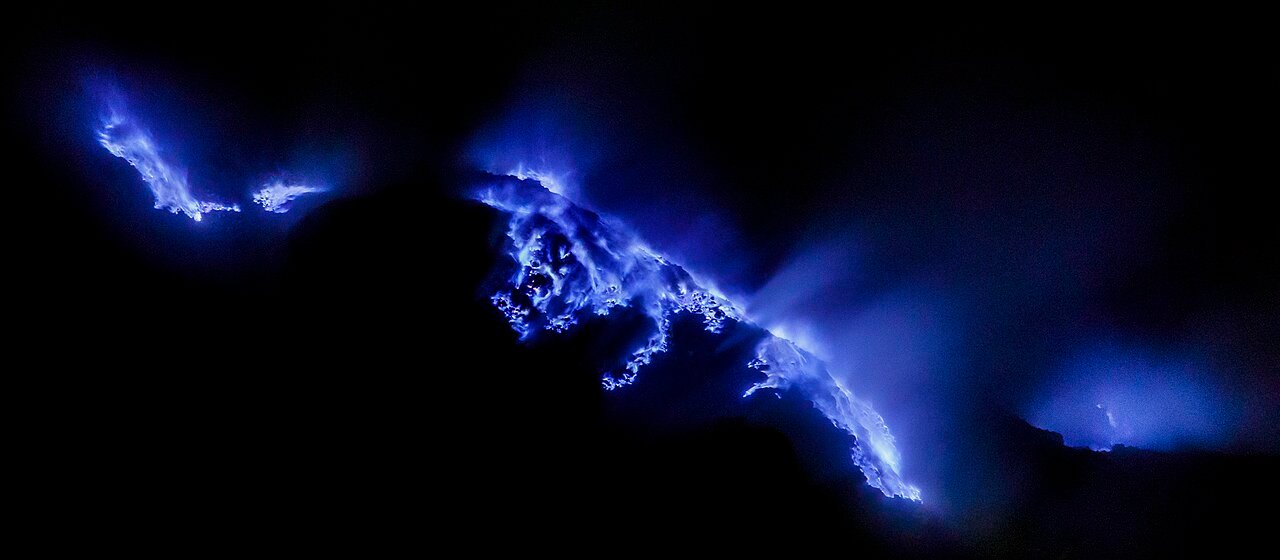
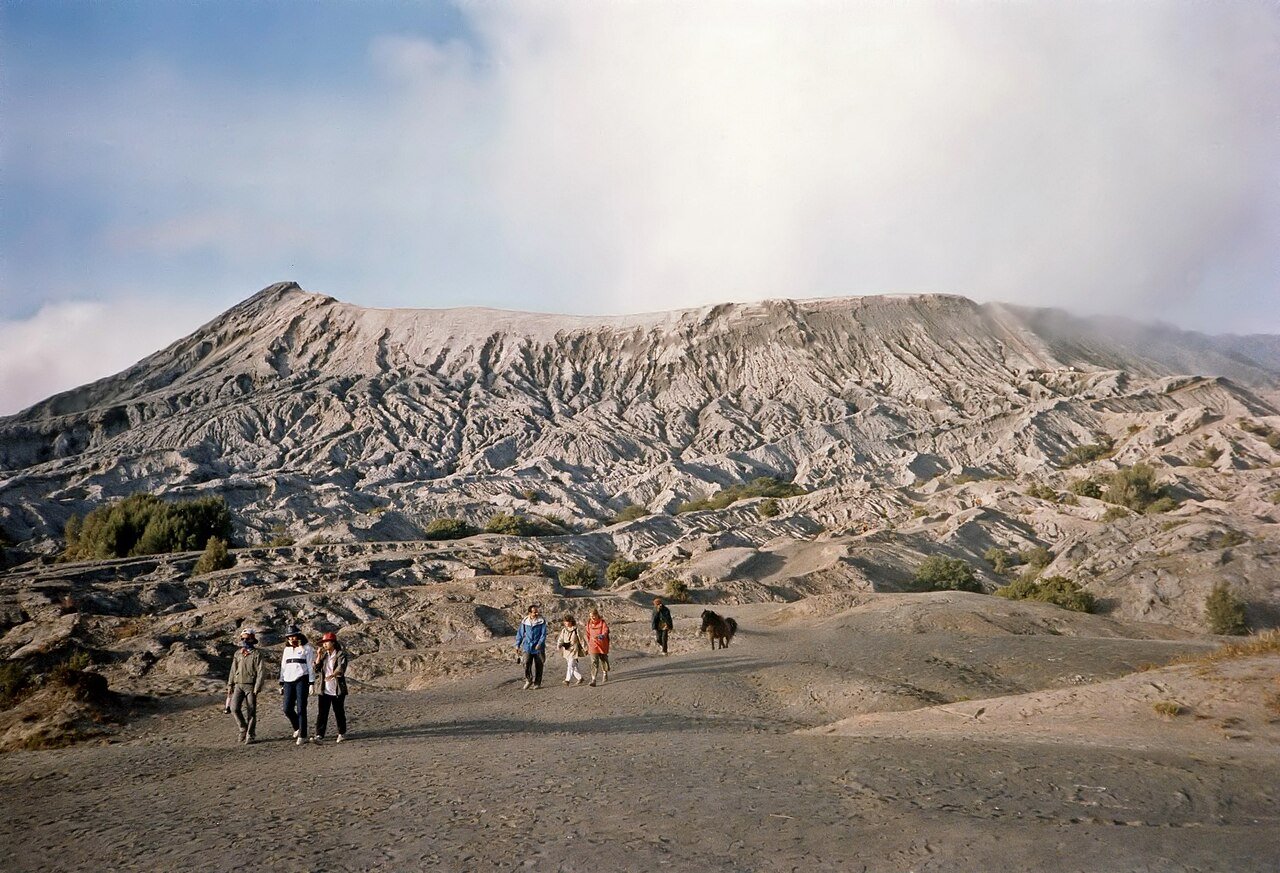
In Java, the volcano isn't one excursion among others: it's often the reason for the trip. Kawah Ijen is climbed at night with a protective mask, to try to catch the famous blue flames, and then the sun rises over an immense sulfur lake while you pass the porters carrying blocks of more than seventy kilos back down by hand. Mount Bromo is crossed through its sea of sand, a vast grayish expanse of ash that really does feel like walking on the Moon. Both require a medical certificate obtained at a local clinic and warm clothing. If you want to see a volcano, go to Bali. If you want to see plenty of them and keep the memories for life, go to Java.
Temples: Living Religion Versus Monumental Heritage
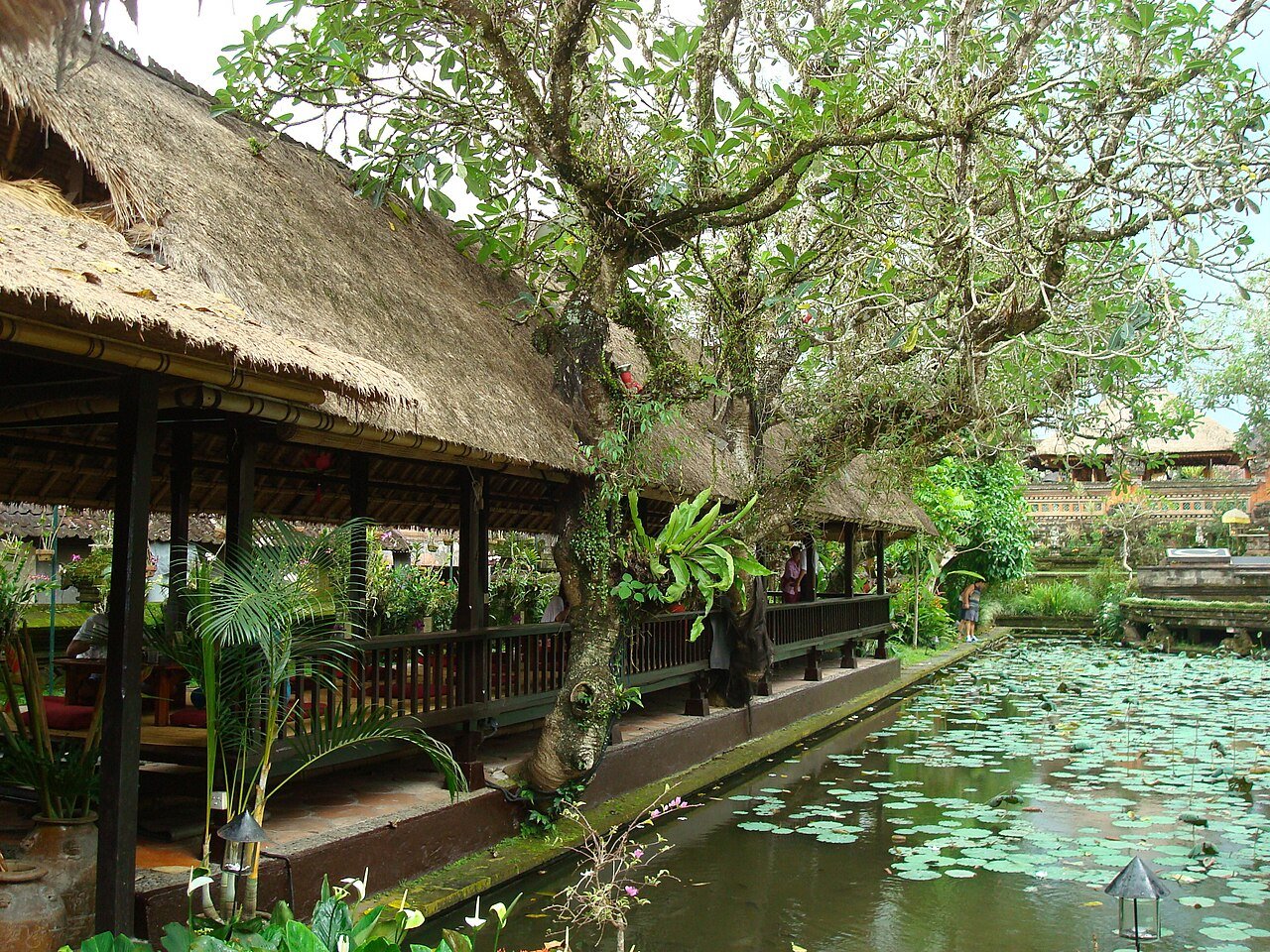
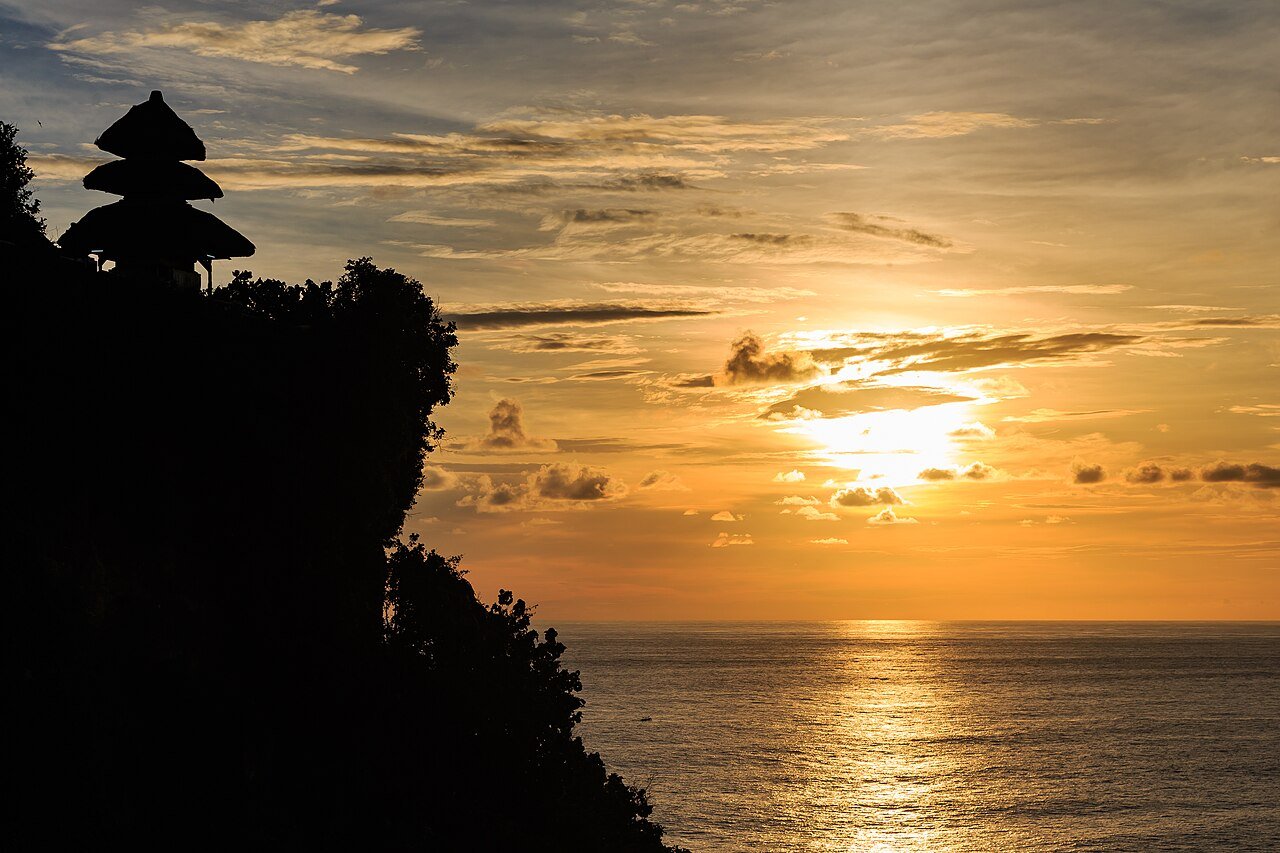
Bali is the last great Hindu land in Indonesia, and that changes everything. Its temples are in constant use: at Pura Luhur Uluwatu, perched on a cliff seventy meters above the Indian Ocean, a kecak dance performance is staged every evening at six o'clock in front of an audience of spectators and phone-stealing macaques. At Pura Taman Saraswati, right in the center of Ubud, the dancers move to the rhythm of the gamelan beside a lotus pond, and a sarong is required to enter. You aren't watching a reenactment, you're attending a ceremony.
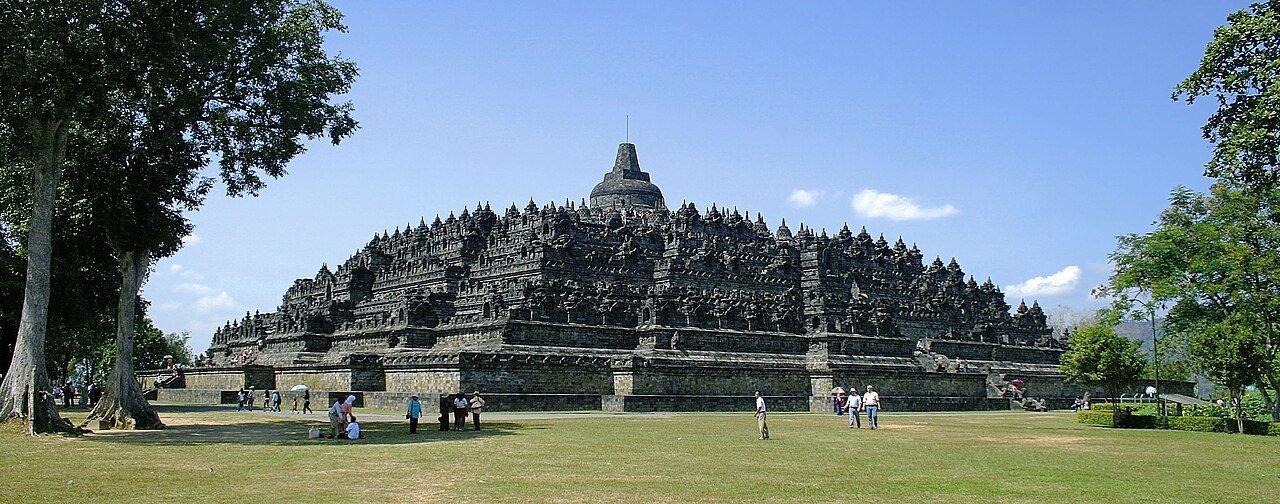
Java, largely Muslim since the thirteenth century, holds for its part the greatest religious monuments in the country. Borobudur, built in the ninth century, lost under the vegetation for hundreds of years and then rediscovered in 1814, is a UNESCO World Heritage site today. Its pyramid of nine stacked platforms holds hundreds of buddhas and bas-reliefs carved into the stone. A guide and the sandals handed out on site are compulsory for everyone, and you need to book around two months ahead. With Prambanan a few kilometers away, this is heritage on a completely different scale from Bali's, but it is heritage you visit, not heritage you live.
The Sea, Diving and Beaches
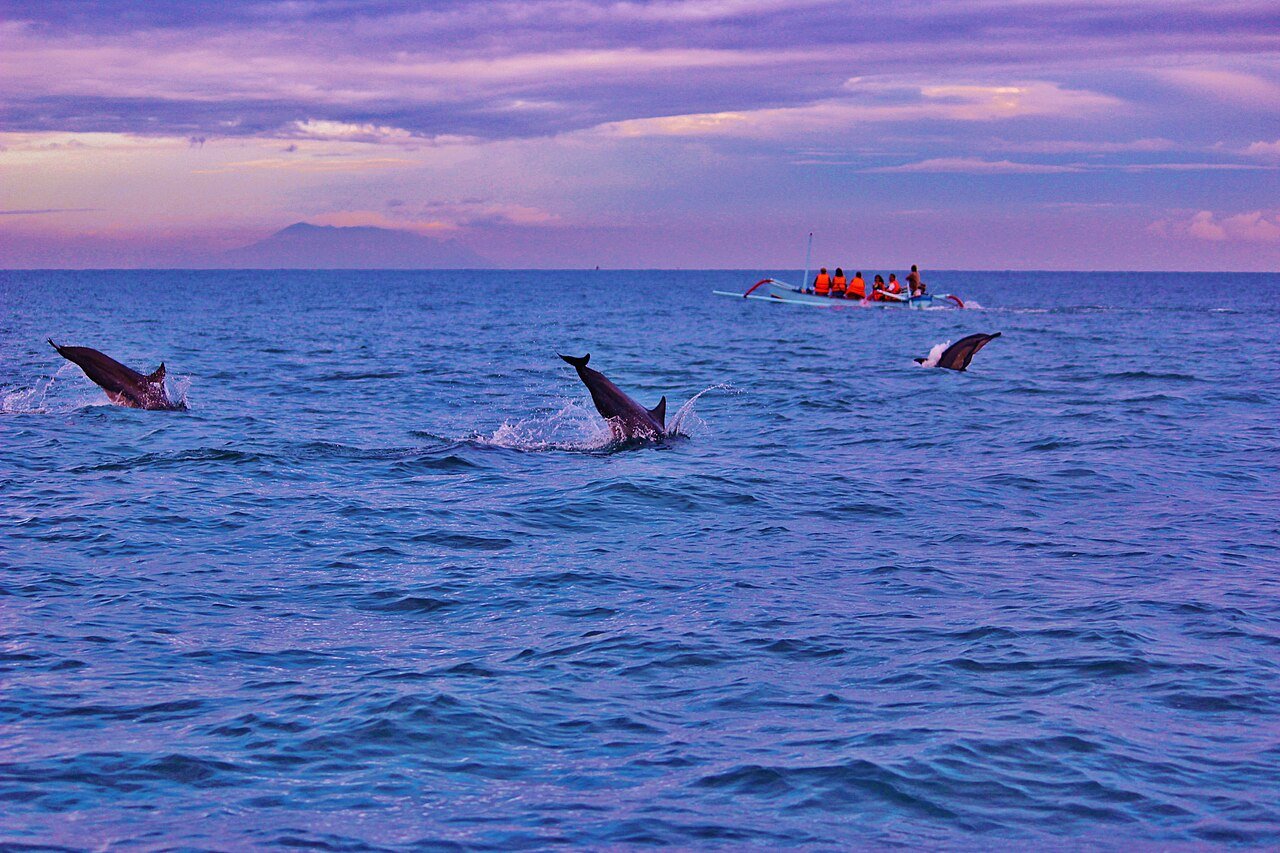
On this ground, the Bali or Java match allows no argument: Bali wins. The south of the island lines up Padang Padang, Nyang Nyang, Dreamland, Gunung Payung and Geger, and the north still holds corners spared by mass tourism such as Pemuteran, Menjangan, Amed or Lovina, where people set off at dawn in a jukung to watch the dolphins. Java doesn't play in the same league. Your only options are Pangandaran and its choppy Indian Ocean waters, popular with surfers, or Karimun Jawa, far calmer and very rich in underwater life, with Madura and Bawean on top of that. That's respectable, but if your trip revolves around a mask and a snorkel, look no further, go to Bali.
Everyday Culture
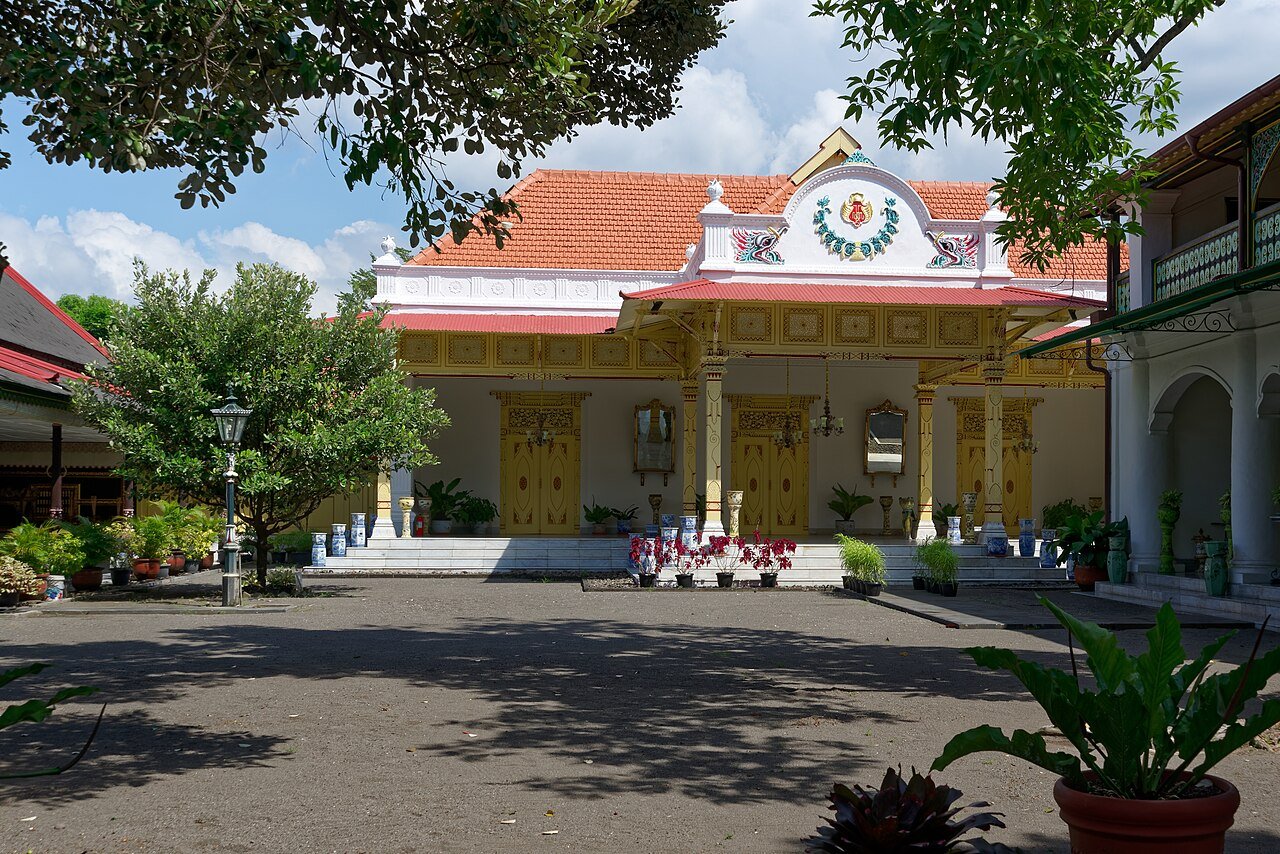
Java is the cultural heart of the country and Yogyakarta is its epicenter. It is the only province in Indonesia still ruled by a sultan, whose palace hosts dance, music and wayang puppet shows every morning. The shopping street of Malioboro overflows with batik workshops, and Bandung, a mountain city known for its tea plantations, rounds out the picture perfectly. Bali answers with Ubud, the island's artistic capital, with its galleries, its museums and an impressive number of exhibition spaces. Two fascinating cultures, then, but one of them is discovered among locals and the other among visitors.
Crowds, Escape and Budget
This is where the choice between Bali or Java really plays out. Bali is a victim of its own success: millions of tourists crowd in year-round and some areas become unbreathable, while modernity slowly erases the island's authenticity. You now have to build your itinerary carefully if you want to feel somewhere else at all. Java suffers from a different ailment, density: with around twelve hundred people per square kilometer, it is the most densely populated island on the planet, and a ten-kilometer drive can cost you more than an hour. But that crowd is local, not touristic, and you'll often be the only foreigner in the neighborhood. As for your wallet, the bill is generally lighter in Java, where prices haven't been pushed up by international tourism.
Bali or Java: So Which One Should You Pick?
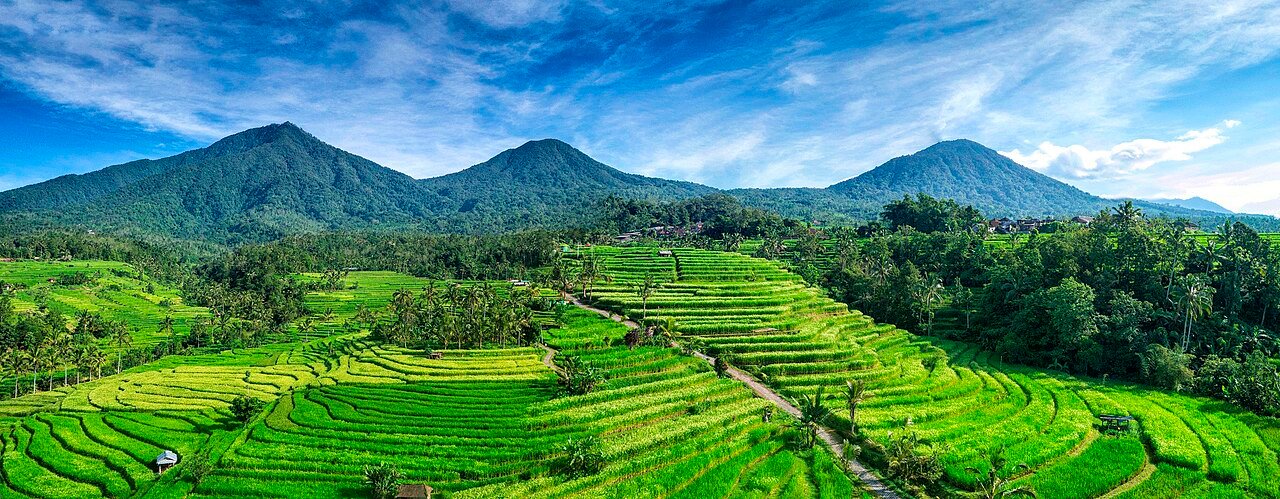
If this is your first trip to Asia, if you're going for a week or ten days and you want comfort, beaches and a smooth setup, go for Bali without hesitating. You'll also find magnificent temples there and an accessible volcano, and the rice terraces of Jatiluwih can be ridden through by bike as a family, even with young children.
If you're coming for the volcanoes, the great historical sites, meeting local people and real disorientation, and if the prospect of spending hours in transit doesn't scare you, Java will satisfy you far more. It's also the better choice on a tight budget and for travelers who want to escape the well-worn circuits.
And if what you're really after is exceptional underwater life or encounters with traditional peoples, know that the Java or Bali question doesn't actually arise: neither one will be ideal, and you're better off looking toward Sulawesi, the Moluccas, Kalimantan or Sumatra.
What If You Did Both?
That's the solution I recommend as soon as your time on the ground goes beyond two weeks, and it's simpler than it sounds. Kawah Ijen sits near Banyuwangi, at the eastern tip of Java, and the strait separating the two islands is crossed by ferry to Gilimanuk, on the Balinese side. The classic itinerary is therefore to land in Jakarta, reach Yogyakarta and Borobudur by train, carry on with Bromo and then Ijen, and finish in Bali resting with your feet in the water. You get the volcanoes and the temples of one, the beaches and the ceremonies of the other, without ever boarding a plane again, and you no longer have to choose at all.
I'll help you choose between Bali and Java and build the itinerary that suits you for €20 only.
Contact me now